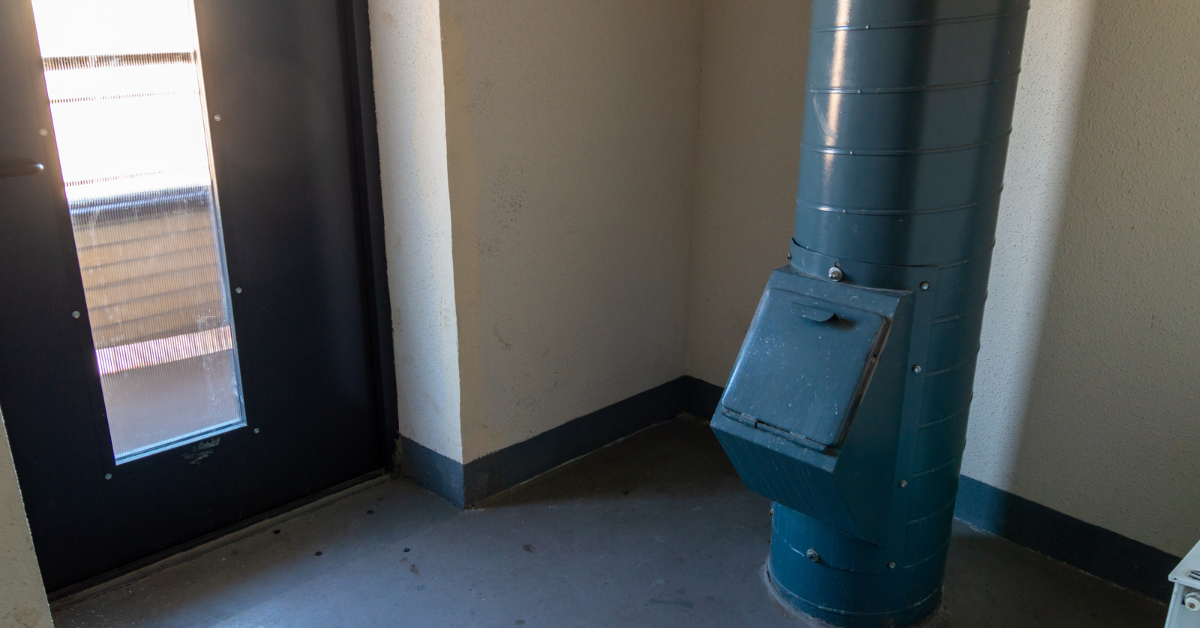
Vertical transit systems within commercial facilities, particularly for waste removal and textiles in tall high-rise architectural engineering and commercial facility management, are essentially the internal lifeline for both. The engineers, managers, and hotel EVS directors need to constantly find ways to improve and streamline systems while adhering to severe structural fire codes and microbial controls. There are two types of chutes in building infrastructure, and understanding the difference between a structural linen chute and an ordinary trash chute can play an important role in preserving a building.
Although both systems move materials via gravity acceleration downward, the structural components and the nature of both systems’ exposures are entirely different; tolerances are vastly different. The integrity of a structural system, the IAQ of the entire building, and fire code compliance are monitored by structural engineers, with professionals specializing in vertical transportation system structural maintenance, such as Skyrise Chutes.
Structural and Functional Difference
A basic comparison indicates the design difference between these two systems:
| Engineering Attribute | Linen/Laundry Chute System | Trash/Rubbish Chute System |
| Primary Material Composition | High-grade 16-gauge aluminized steel or stainless steel (Type 304). | 16-gauge aluminized steel or heavy-duty galvanized steel. |
| Standard Diameter Configuration | 24-inch or 30-inch (Enlarged to prevent textile friction and bridging). | 24-inch typical standard diameter. |
| Intake Door Functionality | Bottom-hinged, hand-operated, or automated pneumatic touchless bypass doors. | Bottom-hinged, self-closing, self-latching hopper doors. |
| Discharge Terminal Assembly | Open hopper or horizontal sliding fire damper door held by a fusible link. | Interlocked waste compactor interface or rolling cart drop assembly. |
| Primary Bio-Burden & Hazard | Skin flakes, bodily fluids, static dander, and lint particulate accumulation (NFPA 13 risk). | Decomposing organic matter, liquid leachate, and volatile organic compounds (VOCs). |
- Linen Chutes: The Textile Arteries
Linen chutes are built to handle high volumes of fabric at healthcare facilities and upscale hospitality accommodations without creating friction. The inside of the chutes has a very smooth finish; exposed rivets, rough weld seams or microscopic abrasions can snag linens or form a \”bridging\” where laundry piles jam up inside.
- Trash Chutes: The Waste Conduits
Trash chutes are designed to resist the impact of heavy bags of waste, abrasives, and caustic substances. Trash chutes handle liquid leachate (the liquid byproduct of compacted garbage bags) rather than dry friction found in linen chutes. Chemical degradation rates and the required corrosion prevention techniques, therefore, are different.
A Deeper Look: Linen Chute and Hotel Laundry Chute Cleaning
When you look into the search terms associated with laundry and hotel laundry chute cleaning when optimizing for Search Engine Optimization and Answer Engine Optimization, it appears that the biggest concern for facility managers is not decaying food but accumulated lint particulate mixed with organic matter.
The Hidden Menace: Static Dander and Lint
Housekeepers at hotels compress bundles of used linens, bathrobes, towels, etc., and place them into the intake doors (Kong, 2026). As they tumble down the chute, thousands of microfibers, skin flakes, and hairs are shed from laundry. Because of the static electricity clinging to the metallic inner walls, they begin to adhere to the interior. Over time, a substantial lint build-up is created, which also contains animal hair, skin cells, body oils, and dander.
According to NFPA 13 (automatic sprinkler protection), the interior spaces should have sprinklers installed in these vertical shafts due to the nature of fire spread vertically (Youngblood, n.d.). Should a fire begin at the base of an uncleaned chute, the build-up of lint acts as a conduit and fuses the flame directly to the top floor.
The Multi-stage Sanitation Protocol
Cleaning of a hotel laundry chute goes beyond standard pressure washing and household chemicals; this process is typically the result of a specialized protocol.
System isolation/lock-out-tag-out(LOTO): All linen chutes are sealed both mechanically and electronically to prevent housekeepers from dropping laundry bundles down the shaft while technicians are working in the vertical pathway.
Disinfect and kill harmful agents: A full broad-spectrum quaternary ammonium disinfectant is applied across all inner surfaces of the chute in order to kill any harmful viruses, bacteria, molds, etc., ensuring a clear and clean path.
Preventative Maintenance: Engineering Inspections and Code Compliance
Proactive maintenance on these units can prevent potential hazards and unnecessary costs of repairs (Aguilar-Escobar et al., 2021). Regular checks ensure building integrity and safety.
- Fire door and fusible link inspections
A metal door is located at the discharge point for every trash and linen chute. This fire-rated door is intended to prevent fire from spreading through the shaft. The door is held in a vertical, open position by a fusible link, which is a thin strip of metal that will melt at the precise temperature it was manufactured to melt. Typically, the temperature range for the fusible link is 165F. Testing annually for proper functionality ensures that if a fire is present, the chute can automatically shut off from spreading flame vertically.
- Intake door latch and gasket tuning
Properly sealed intakedoors prevent unpleasant smells, smoke, air, and harmful pests from entering the living and working spaces within the building. Regularly tuning up door closing mechanisms and checking/replacing gasket material can effectively eliminate a number of health code violations.
Frequently Asked Questions
- Can trash and linen chutes be cleaned in the same manner?
Trash chutes need to be handled with stronger cleaning equipment and solutions that remove acid from the garbage, and killing agents, and the linen chute needs a much more delicate touch, which should not scratch the metal but take the buildup of the flammable lint.
- What are the fire risks associated with unclean linen chutes?
The build-up of lint provides dry fuel that can transfer fire from the laundry room, or any point of origin, to the floors above, passing through building barriers as quickly as 1.5 seconds.
- How will the technician maintain a clean chute while working?
When a chute maintenance technician is working in the vertical pathway of the linen chute, all the intakes to the laundry chute will be electronically or mechanically locked out by a LOTO procedure.
- How will the odors travel from the trash chute into the hallways?
The failure of the exhaust fan or the wear and tear on intake door gaskets will result in a non-negative air pressure being within the trash chute, and therefore, the air will venture out to other parts of the building, such as residents’ hallways.
- What constitutes an NFPA-compliant discharge terminal assembly for a linen chute?
A metal fire-rated door at the discharge terminal of a linen chute that is held open by a fusible link rated at 165F to seal the vertical pathway in case of a fire in the laundry room, which is where most of these units are located.
- Is 16-gauge aluminized steel a good option for hotel laundry chutes over stainless steel?
The standard Type 304 Stainless Steel offers the most protection against humidity and wet linen. However, the 16-gauge aluminized steel has great structural integrity while serving as an effective and cheaper option.
- How does keeping the chutes clean maintain indoor air quality?
By cleaning away the accumulated mold spores, bacteria, and dust mites in the chute, these contaminants are less likely to be forced through the halls of a building by air currents caused by chute door opening and closing.
- What purpose do roof vents located on the top floor serve?
Roof vents function like an exhaust system, which continuously pulls air up and out of the shaft of the chute. Simple air pressure is sufficient to prevent the bad odor, gases, and damp air from building up within the building.
- Can structural damage within a linen chute ruin the hotel sheets?
Yes. Rough weld seams, loose rivets, or the structural rust found within chute walls will snag and rip, or stain linens as they are being pulled through the shaft, causing costly replacements to be made.
- Who should property managers use to have chute repairs done code-compliantly?
The property manager should seek help from certified vertical conduit engineers, such as Skyrise Chutes for all inspections, cleanings, and structural repairs with complete code compliance.